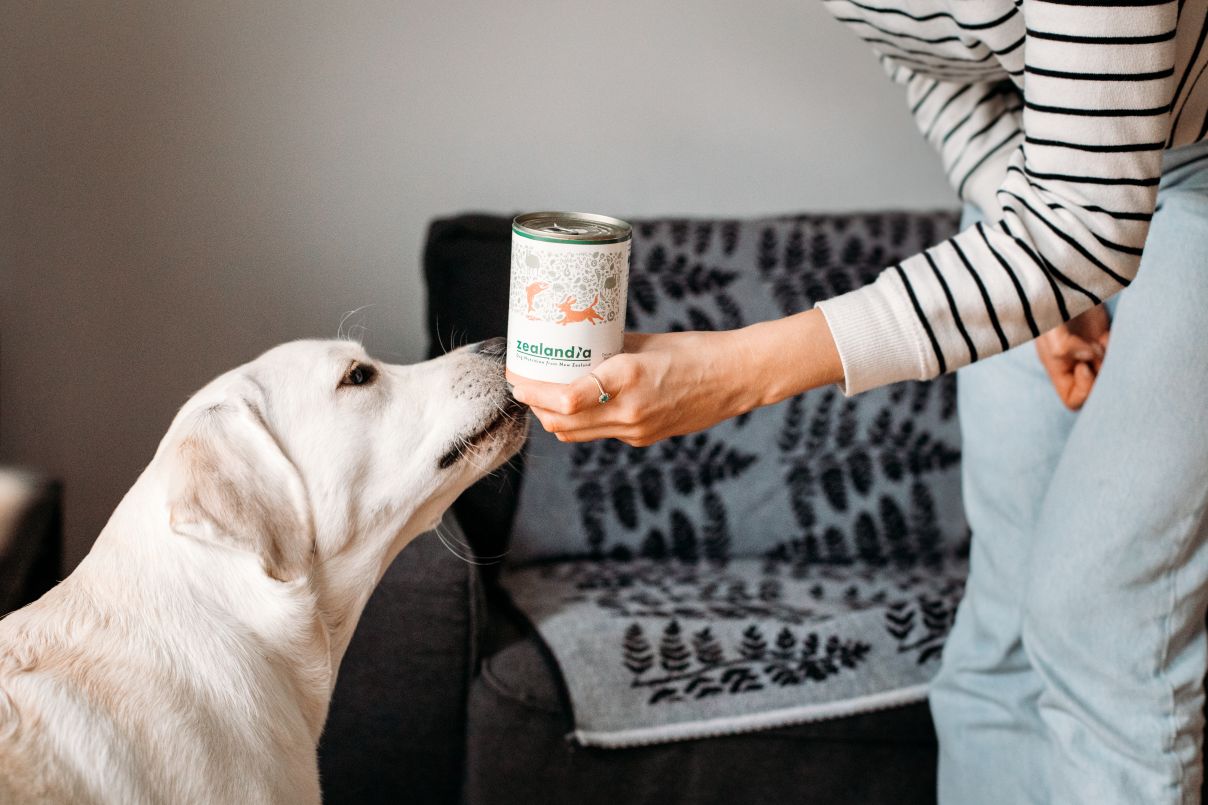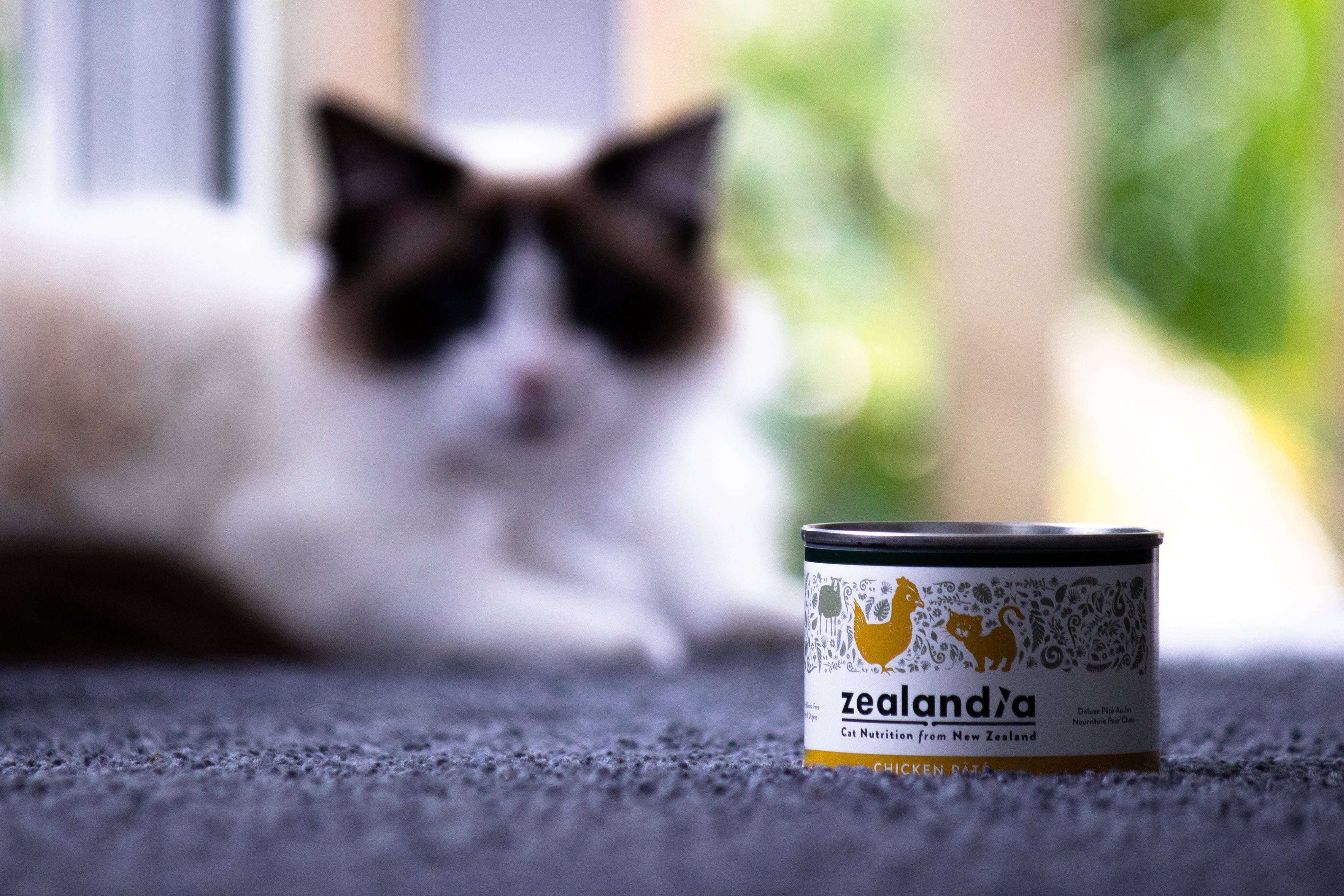
What wet food is best for cats and dogs with a sensitive stomach?

By Corinne Wigfall BVM(Hons) BVS(Hons) MRCVS
If your pet has a sensitive stomach, rest assured that you are not alone! Digestive issues can be frustrating and stressful, for both pet and owner. Digestive problems are common in dogs and cats, so let’s take a look at what wet food is best for digestive health in dogs and cats.
What do we mean by ‘sensitive stomach’?
The term ‘sensitive stomach’ is a non-specific description, used to describe pets who are prone to digestive upsets. Although vague and often used in various scenarios, it usually describes pets who cannot cope with a change in diet, new foods, and too many treats or rich foods. The term is not usually used for pets who have a diagnosed underlying medical condition causing their gastrointestinal (GI) issues.
What are the signs of a sensitive stomach in dogs and cats?
Pets with sensitive stomachs may have recurring bouts of symptoms with no obvious trigger, or they may suffer when they scavenge or try a new food.
Signs of a sensitive stomach include:
- Sickness
- Diarrhoea (ranging very-soft-but-formed stools, to cow-pat like, to liquid)
- Flatulence (excess gas)
- Fussy eating
- Mucous in the stool
- Abdominal pain (tummy ache).
Many pets with a ‘sensitive stomach’ suffer with frequent soft-but-formed stools, meaning their poos are stool-shaped but hard to pick up.
Some breeds of dogs and cats are more prone to a sensitive stomach than others, for example German Shepherd Dogs or Siamese cats.
When to visit the vet
If your pet is suffering with any of the above symptoms, you should book them a check up with their vet. You should never assume that your pet has a ‘sensitive stomach’. There are a great number of medical conditions which could be causing your pet’s symptoms; some more serious than others.
The following symptoms warrant an urgent vet visit:
- Symptoms that don’t improve after 24-48 hours
- Your pet seems unwell in themselves, or lethargic (sleepy)
- Not eating
- Not drinking
- Blood in their vomit or stool
- Constant or frequent vomiting
- High frequency liquid diarrhoea (as they are at risk of dehydration)
- Weight loss
- Your pet is very young or very old.
Your vet will want to rule out an underlying medical condition or infection.
Causes of digestive problems in dogs and cats
If your pet suffers with frequent or recurrent digestive issues, they may have an illness or infection. It’s important to rule these conditions out before deciding that your pet simply has a sensitive stomach, even if your pet seems well between episodes.
Potential causes of digestive issues in dogs and cats include:
- Bacteria (such as campylobacter)
- Viruses
- Parasites (for example giardia can cause intermittent gastrointestinal signs)
- Toxins
- A foreign body (causing a partial or total blockage somewhere in the guts)
- Inflammatory bowel disease (IBD)
- Food allergies
- Medical conditions such as hyperthyroidism or organ disease
- Pancreatitis
Once your vet has ruled out underlying medical conditions, they may attribute recurring bouts of GI signs to a sensitive stomach. This could happen after scavenging, hunting (in cats), a new food or treat, or a fatty meal.
How to treat a sensitive stomach
The treatment of any specific GI upset will depend on the cause. So, if your pet has an underlying medical condition or illness, your vet will prescribe appropriate treatment.
If your pet has a ‘sensitive stomach’, they will need lifelong management and support, to keep their gastrointestinal tract healthy. For all pets, the healthier the gut, the better their overall health will be, including their immune system. There is a wealth of evidence supporting the importance of a healthy GI tract, the microbiome and the importance of the gut-brain axis.
Here are some suggestions for how to support a healthy gut for your pet:
- Try feeding little and often,
Try offering smaller meals more frequently, or ad lib feeding, rather than one (or two) big meals.
- Make sure your pet is getting enough water
Good hydration is important for overall health, including for the health of the GI tract itself. Feeding wet food is a great way to improve your pet’s water intake. You could also try different types of water bowls scattered around the house.
- Pre/probiotics
Prebiotics are nutrients that feed the gut microbiota, and can improve the population of bacteria present. They are found in foods with high levels of soluble fibre, such as pumpkin. Probiotics are live microorganisms added to food or supplements, to try and help increase the number of ‘friendly’ or ‘helpful’ bacteria in the gut. If you are considering using supplements, make sure they are designed for your pet (not for humans).
- Good oral hygiene
Taking a holistic approach, poor oral health can cause bacteria to travel through the bloodstream, affecting all of the organs. Maintaining good oral hygiene by tooth brushing or using vet-approved pet oral hygiene products will contribute to your pet’s overall health and wellbeing.
- Keep your pet at a healthy weight
Regular exercise (which includes play in cats) helps to promote regular bowel movements and maintain a healthy weight.
- Encourage slow eating
Your pet may suffer GI upset, such as vomiting, if they eat too fast. Try puzzle feeders, slow feeders, or toys that gradually release food to encourage your pet to slow down.
- Groom your cat regularly
In cats, excessive ingestion of fur can cause GI upset. Grooming your cat regularly can help reduce fur balls, especially in long haired cats.
It’s often a case of trial and error, to see what works for your pet.
Diet options for a sensitive gut
Your vet may also suggest a ‘bland diet’ or a ‘diet trial’. Let’s take a look at what that actually means.
- Bland diet
A ‘bland’ diet means a diet containing a highly digestible, good quality, lean protein (such as chicken, turkey or white fish), a highly digestible carbohydrate (such as rice, potato or sweet potato), and low fat. The theory behind a bland diet is that it reduces the workload of the gut, allowing it to heal. In greater depth, a diet for sensitive stomachs or digestive health should ideally contain:
- Protein digestibility of >87% and fat and carbohydrate digestibility of >90%
- Fibre of <3-5% on a dry-matter basis
- Fat content of around 18-25 g per 1000 kcal
This will vary depending on your pet’s underlying health and the reason for their sensitive gut, so you should always seek your vet’s advice on the best food for your pet. For example, some GI issues could benefit from a high fibre diet. It’s important to note that it is no longer advised to starve a pet with GI upset, as the gut itself needs nutrients to be healthy and to recover from the upset.
In the short-term, for acute GI upset, a bland diet could involve home-cooked chicken breast (with no skin) or white fish and rice. However, for the longer term, this would lead to nutritional deficiencies. So, it’s important to find a good quality, nutritionally complete pet food for your pet with a sensitive stomach. It’s a good idea to avoid artificial colouring and preservatives too.
- Diet trial
If your vet suspects food allergies or intolerances are contributing to your pet’s sensitive stomach, they may advise a ‘diet trial’. This either involves feeding a prescription hydrolysed diet (where the proteins have been ‘hydrolysed’ or broken down into their constituent parts, minimising the risk of allergic reaction), or a ‘novel protein’ diet.
A novel protein diet means feeding a diet which only contains ONE protein source, and it must be one that your pet has never eaten before. This often means reaching for the rarer protein sources in pet food, such as brushtail or goat.
Whether you are feeding a hydrolysed diet or a novel protein diet, you need to feed ONLY this and water, with no treats or other foods, for a period of time (as specified by your vet), to see if your pet’s symptoms improve.
Final thoughts
Remember, you should always speak with your vet if you have any concerns about your pet’s gut health. They may want to rule out underlying illness or medical conditions before deciding that your pet has a sensitive gut. They will also be able to advise you on the best food for your pet’s unique needs.
If you are changing your pet’s diet, be sure to do so slowly, over a period of around 14 days. Start by adding a tiny amount of the new food to your pet’s usual diet, then gradually shift the ratio over two weeks. This transition is especially important for pets with a sensitive stomach!
----------------------------------------------------------------------------------------------------------------------------
Notes from the team at Zealandia:
Our canned food products contain 95% meat & organs (excluding water sufficient for processing). This is a typical summary of ingredients:
Deboned Meat: ~61.5%
Lamb Organs: ~30% (Liver, Lung, Green Tripe, Heart, Kidney, Plasma)
NZ Green Mussels: ~3%
Dried Yeast: ~3%
Vegetable Gums: ~1% (Guar Gum, Agar Agar)
Salmon Oil: ~0.5%
Vitamins & Minerals: ~1% (Calcium Carbonate, Potassium Chloride, Taurine, Choline Chloride, Iron Proteinate, Zinc Glycine Complex, Niacin Supplement, Alpha-Tocopherol Acetate, Sodium Selenite, Manganese Proteinate, Copper Glycine Complex, Thiamine Mononitrate, Calcium Pantothenate, Riboflavin, Pyridoxine Hydrochloride, Vitamin A Acetate, Biotin, Vitamin B12 Supplement, Calcium Iodate, Folic Acid, Cholecalciferol)
----------------------------------------------------------------------------------------------------------------------------
The Zealandia variants most suitable for pets with a sensitive stomach is: Goat, Duck, Chicken, Venison
- Moderate protein and fat
- Low fibre
- Single protein, limited ingredient profiles